

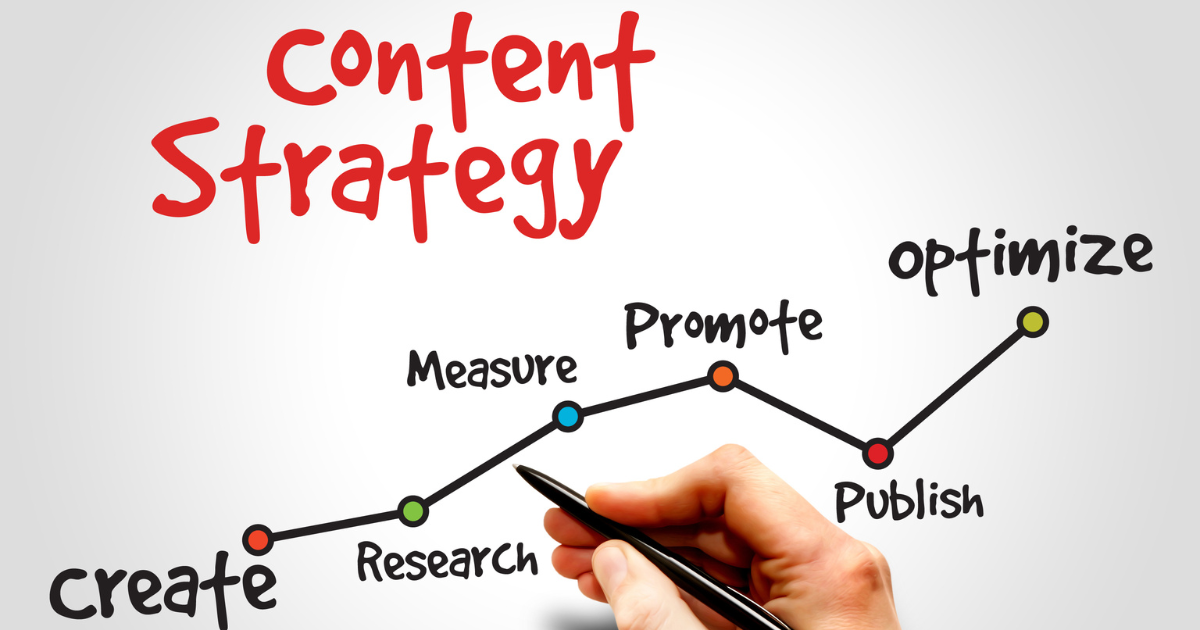
Introduction
Content marketing has become one of the most effective ways for businesses to attract, engage, and convert their target audience. In an increasingly competitive digital landscape, simply having a website or social media presence is not enough. Businesses need a clear and strategic approach to content that not only drives traffic but also generates qualified leads and supports long term sales growth.
Effective content marketing strategies go beyond publishing blog posts or sharing updates online. They are built on understanding user intent, delivering value, and guiding potential customers through every stage of the buying journey. When done correctly, content becomes a powerful asset that continuously works to bring in traffic, build trust, and convert visitors into customers.
In this guide, you will learn how to develop and implement content marketing strategies that align with SEO best practices, improve visibility, and drive measurable business results.
Why Content Marketing Is Essential for Business Growth
Content marketing plays a central role in digital marketing because it connects your business with your audience at the right time and in the right way. Whether users are searching for information, comparing options, or ready to make a decision, your content should meet their needs.
Key Benefits of Content Marketing
- Increases organic website traffic through search engines
- Builds authority and credibility in your industry
- Supports lead generation and customer acquisition
- Improves SEO performance and keyword rankings
- Creates long term value with evergreen content
Businesses that invest in SEO content marketing often see consistent growth because their content continues to attract and convert users over time.
Understanding Search Intent and the Customer Journey
To create content that drives results, you must understand search intent. Users search for information with specific goals in mind, and your content should align with those goals.
Types of Search Intent
- Informational intent where users are looking for answers or insights
- Navigational intent where users want to find a specific brand or website
- Transactional intent where users are ready to take action
Content marketing strategies should address each stage of the customer journey. Educational blog posts attract traffic, while case studies and service pages help convert leads into customers.
Strategy 1: Build a Strong SEO Content Foundation
SEO content marketing is the backbone of any successful strategy. Without proper optimization, even high quality content may struggle to reach the right audience. Creating SEO optimized content ensures your website ranks higher in search results and attracts qualified traffic.
Strategy 2: Create High Value Educational Content
Educational content is one of the most effective ways to build trust and authority. When users find your content helpful, they are more likely to return and engage with your brand. This type of content supports inbound marketing by attracting users who are actively searching for solutions.
Strategy 3: Focus on Lead Generation Content
Driving traffic is important, but converting that traffic into leads is where real growth happens. Lead generation content is designed to capture user information and move them closer to a purchase.
Types of Lead Generation Content
- Downloadable guides and resources
- Case studies that demonstrate results
- Email newsletters and content subscriptions
- Landing pages with clear calls to action
To maximize conversions, your content should include strong calls to action that guide users toward the next step.
Strategy 4: Use Content Clusters to Build Authority
Content clusters involve creating multiple pieces of content around a central topic. This approach helps search engines understand your expertise and improves your chances of ranking for related keywords. This structure enhances SEO performance and strengthens your overall content strategy.
Strategy 5: Optimize Content for Engagement
Engagement is a key factor in both SEO and user experience. Content that keeps users on your page longer signals value to search engines. Higher engagement leads to better rankings and increased conversions.
Strategy 6: Leverage Multiple Content Formats
Different users prefer different types of content. By diversifying your formats, you can reach a broader audience and increase engagement. Repurposing content across formats maximizes its value and reach.
Strategy 7: Align Content With Your Sales Funnel
Content marketing strategies should support every stage of the sales funnel. Aligning content with the funnel ensures a smooth journey from visitor to customer.
Strategy 8: Consistency and Content Planning
Consistency is essential for building authority and maintaining audience engagement. A well planned content calendar helps you stay organized and focused.
Benefits of Content Planning
- Ensures regular publishing
- Aligns content with business goals
- Improves efficiency and workflow
- Helps track performance over time
Consistent content creation signals reliability and strengthens your brand presence.
Strategy 9: Measure Performance and Optimize
To achieve long term success, you need to track your results and continuously improve your strategy. Analyzing metrics helps you identify what works and refine your approach.
Strategy 10: Incorporate Emerging Trends
Digital marketing is constantly evolving, and staying ahead of trends can give your business a competitive advantage. Adapting to these trends ensures your content remains relevant and effective.
Common Content Marketing Mistakes to Avoid
Even with a strong strategy, certain mistakes can limit your success.
Mistakes to Watch For
- Creating content without a clear goal
- Ignoring SEO best practices
- Focusing on quantity over quality
- Not including calls to action
- Failing to update outdated content
Avoiding these mistakes helps maintain the effectiveness of your content marketing efforts.
The Long Term Value of Content Marketing
Content marketing is not a short term strategy. It is a long term investment that continues to deliver results over time. Unlike paid advertising, which stops when the budget ends, content remains active and continues to attract traffic and generate leads.
By building a strong library of valuable content, your business creates an asset that supports ongoing growth and brand authority.
Conclusion
Content marketing strategies that drive traffic, leads, and sales are built on a foundation of value, consistency, and optimization. By focusing on SEO content marketing, understanding user intent, and aligning your content with the customer journey, you can create a powerful system that delivers long term results.
Success requires a commitment to continuous improvement and a willingness to adapt to changing trends. When executed effectively, content marketing becomes one of the most reliable ways to grow your business, increase visibility, and generate meaningful conversions.
Now is the time to refine your strategy, invest in high quality content, and position your business for sustained success.